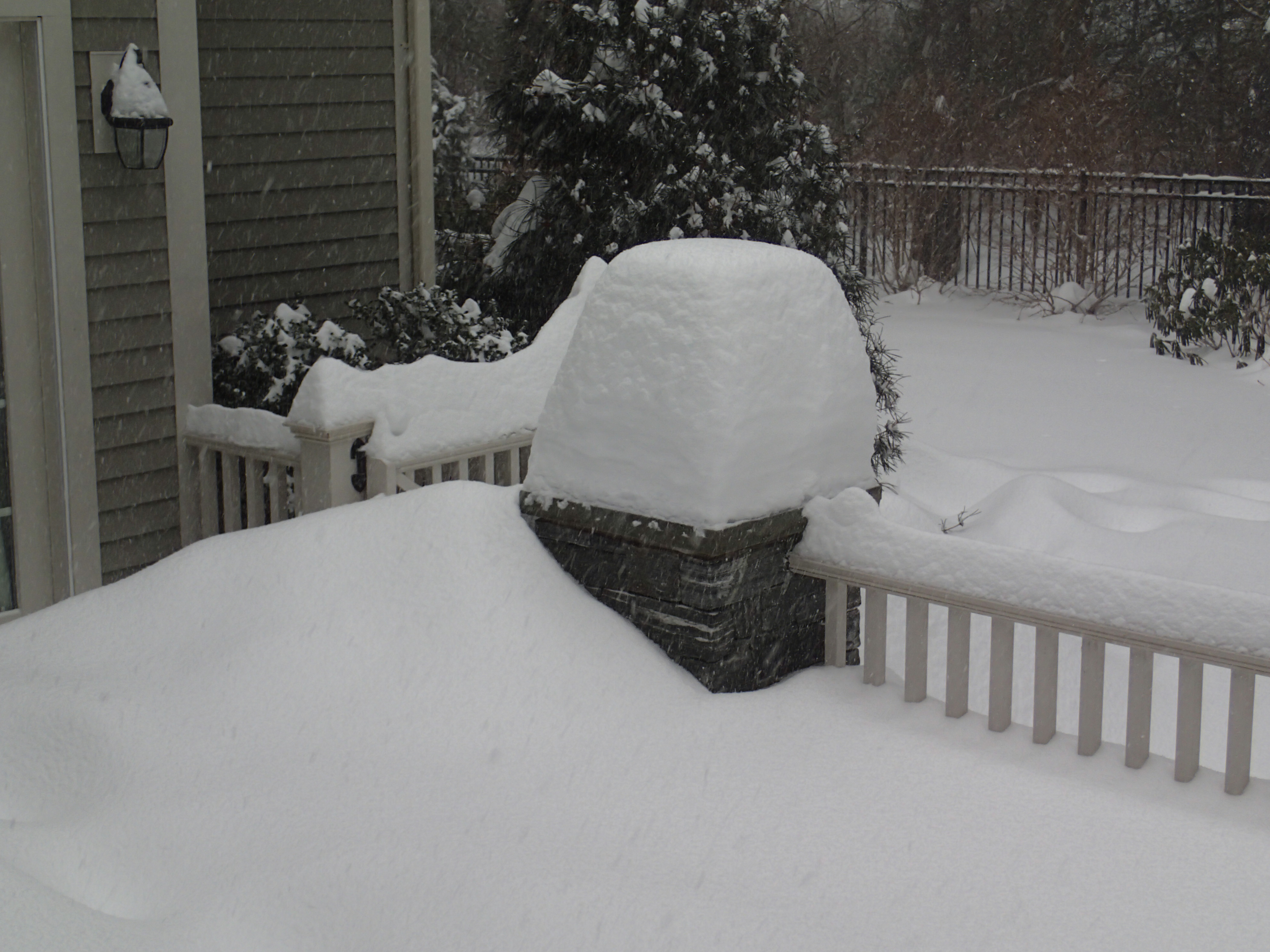
Living in the Northeast, we are blessed with a good amount of snow. I’ve had several winters where over four feet of snow accumulated in a week or two. There are a few problems with that much snow, but the biggest risk area is a house’s roof – the weight, the freezing, and the inevitable ice dams leading to leaks. So, many people here try to remove snow from a roof if too much of it falls quickly and hasn’t melted off yet. I am one of those people and a few winters ago found myself again on my house’s roof removing snow with a shovel. As I stood up there after a few hours, aching, sweating, and slipping, I screamed that owning a big, stupid house was a reflection of my over-sized ego and my life’s biggest financial mistake (of course, using more colorful language).
It is true that a house is likely the biggest asset a family will purchase and drives a good percentage of a family’s lifestyle expense. Transaction costs, mortgage interest, insurance, electricity, natural gas/oil, maintenance, taxes, furniture, decoration, etc. etc., drive up a family’s expenses. Further, there is no guarantee that a house can be sold for what was paid, so there is financial exposure to principle over a time frame of many years.
I fell head first into this trap. After I had accumulated a bit of wealth, I decided that my three and one-half bedroom colonial wasn’t big enough for my growing family, and its location at the intersection of two busy roads wasn’t good enough for me. So in 2000, my wife and I searched for the optimal house for our eventual four children at the end of a cul-de-sac in a nicer neighborhood. It was expensive to check off all of the desired boxes for features we wanted, and we ended up with too much house at too high a price for new construction.
Then, a few things broke, leaked, or needed improvement, so I dutifully poured more money into the house over the 18+ years we’ve lived here. There is no substantial appreciation over what we paid, and certainly not covering the cost of improvements, so we’re well underwater on the house. My only plan has been to live here as long as it makes sense – likely another 7+ years – so at least we’ve been able to enjoy it fully (except when I’m shoveling off the roof!).
And what about the second house? Of course I needed an ocean beach house! We got a brand new, three-bedroom house with a private beach and water views from almost every room. We hosted many friends and family there almost every summer week-end, including some in the spring and fall. Although we loved it, we found ourselves tired out from all of the hosting, cooking, cleaning, washing we had to do, as well as the cost of entertaining and house expenses. After more than five years of this, along with some lucky capital appreciation, I told my wife that the second house was costing us over $70,000 per year of opportunity cost, which we could instead spend on vacations elsewhere. We sold the house and over the past 12+ years have chosen to travel the world with our children each summer instead of going to the same beach every year.
So now I tell my children and anyone else who will listen, to not do what I did, but to keep their primary residence as reasonable as possible and to rent for vacations instead of owning a second home. All of my younger executive friends who I mentor have taken much of my other financial advice, but they all have gone on to purchase second homes on lakes, and have purchased large primary residences. It is still early on for them in this journey, so I’m curious to see how they end up feeling about these decisions in 10 or 20 years. I can only hope that one of these people will be around to buy my house in a few years!
 Money Lessons from a "Deca" Millionaire